 Nutrihavenly
Balanced eating starts with everyday variety.
A clear, flexible introduction to the food groups, plate combinations, and personal choices that shape how we eat day by day.
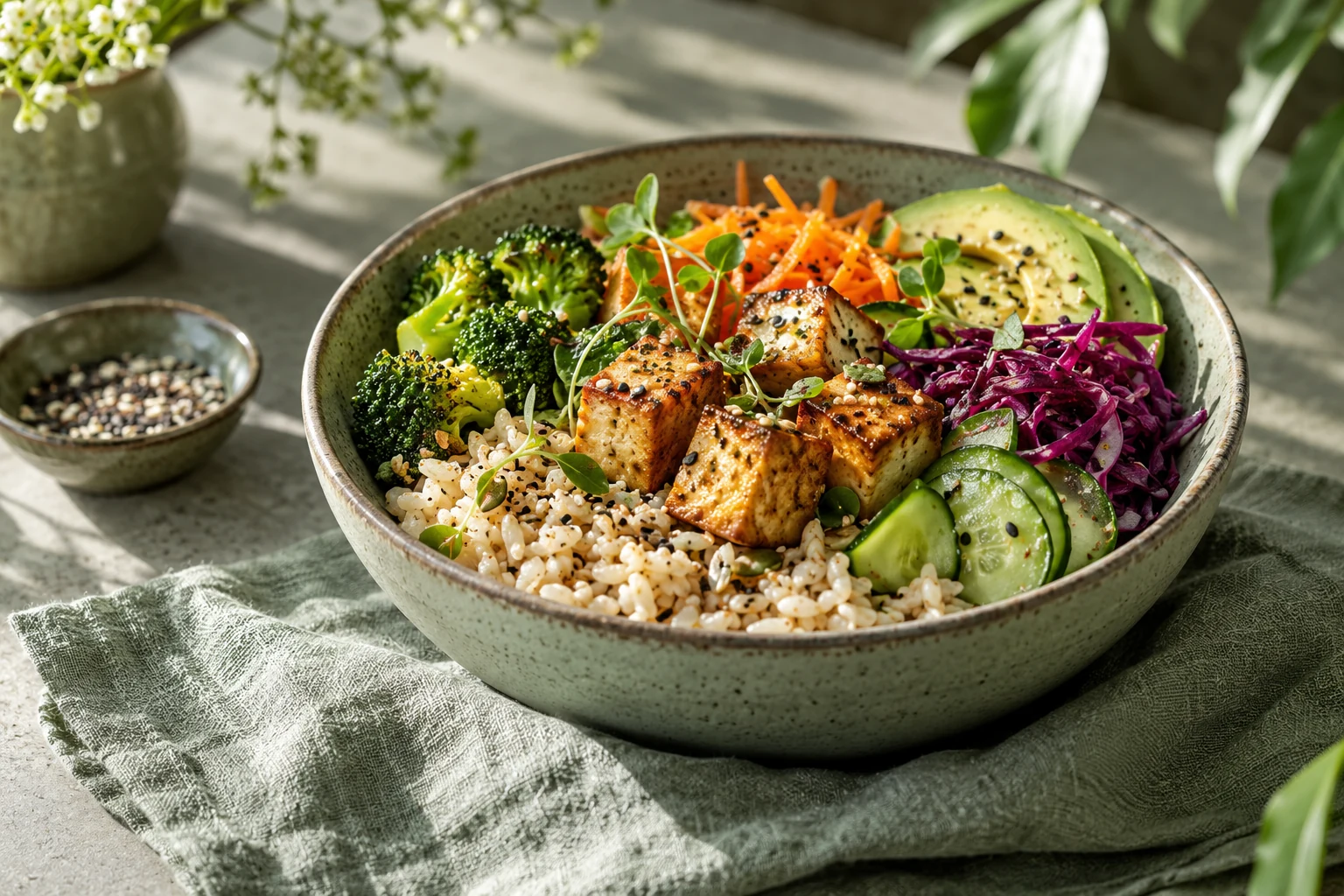
There is room for flexibility on every plate.
Balanced eating often becomes easier to explore when we stop imagining that every meal needs to look identical. Meals can reflect the time available, the ingredients in the kitchen, the people sharing the table, and the flavors you enjoy. Variety across a day or week can be just as interesting as the arrangement of one plate.
Think of everyday eating as a collection of food choices. Rice with vegetables and tempeh, a bowl of fruit with oats, or noodles with tofu and greens can all create opportunities to include different food groups. The point is not to measure every bite. It is to understand the available building blocks.
Explore the everyday food groups
Vegetables and fruit
Different colors, shapes, and textures make these foods inviting additions to meals. Leafy greens, carrots, tomatoes, cucumbers, papaya, bananas, and seasonal market choices can be enjoyed fresh or cooked. Experiment with one familiar favorite alongside something new.
Grains and other staples
Rice, oats, corn, noodles, bread, and whole-grain options can be part of a wide range of meals. Whole grains add a different texture and flavor, while familiar staples make daily meals practical. You can mix and match according to preference and availability.
Beans and everyday protein choices
Tofu, tempeh, eggs, fish, beans, and lentils offer varied flavors and cooking possibilities. The way you combine them with vegetables and grains can change from one meal to the next. It is useful to have several options that fit your household.
Understanding a balanced plate
A visual plate can be a helpful idea without becoming a strict instruction. Imagine beginning with colorful plant foods, adding a familiar grain or staple, and including a protein choice you enjoy. Flavorings, sauces, and cooking styles make the combination your own. Some meals are served in one bowl; others arrive as shared dishes at the table.
Portion awareness is about noticing appetite, meal pace, and the overall mix of foods rather than applying one measurement to everyone. Different days bring different needs and preferences. Make space for flexibility and enjoyment.
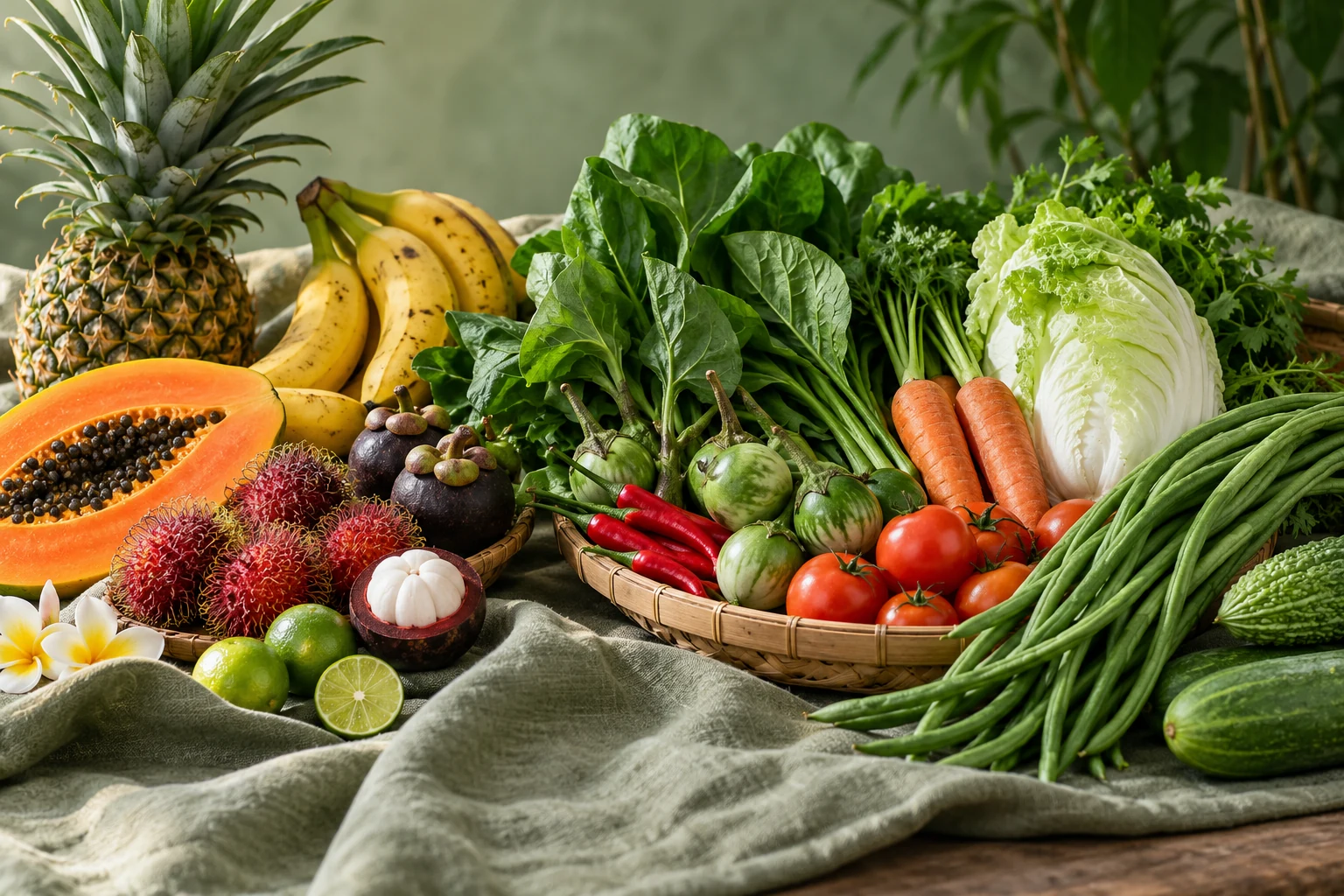
Try the “mix, match, enjoy” approach.
For a simple lunch, start with rice, add sautéed greens, and choose tofu or tempeh with a flavor you enjoy. For breakfast, try oats with fruit, or eggs alongside toast and sliced tomatoes. At dinner, build around whatever fresh produce is available and a familiar pantry staple.
These combinations are examples rather than fixed menus. If you shop at a local market in Indonesia, seasonal ingredients may guide what goes into the kitchen. If your weekday routine changes often, keep a small set of options ready to combine in different ways.
Look for different colors, textures, and food groups over time.
Choose foods and cooking methods that fit your real schedule.
Remember the habits around the meal.
Drinking water throughout the day, making time for a meal, and keeping a few accessible ingredients in the kitchen are practical parts of everyday nutrition. You might place a reusable bottle near your workspace, add fruit to a breakfast rotation, or plan a relaxed grocery visit.
Balanced eating is an ongoing practice, not an exercise in flawless execution. Keep exploring, enjoy familiar foods, and let useful ideas evolve with your daily life.
Explore everyday hydration ↗What would make the next meal simpler and more enjoyable?
Start there, then add variety and structure where they feel helpful.
Bring your everyday food questions
If you would like to discuss meal composition or variety in more detail, share a preferred time for an online conversation.